Gaza Has Been Fasting Since 2023: How Do People Fast on Arafah with No Food, No Water, and No Shelter?
Across the Muslim world, people prepare for the Day of Arafah with peace and prayer. They fast by choice, seeking closeness to God. At sunset, they break their fasts with warm meals, surrounded by safety and light.
But in Gaza, fasting is not just an act of worship. It has become a forced reality since October 2023.
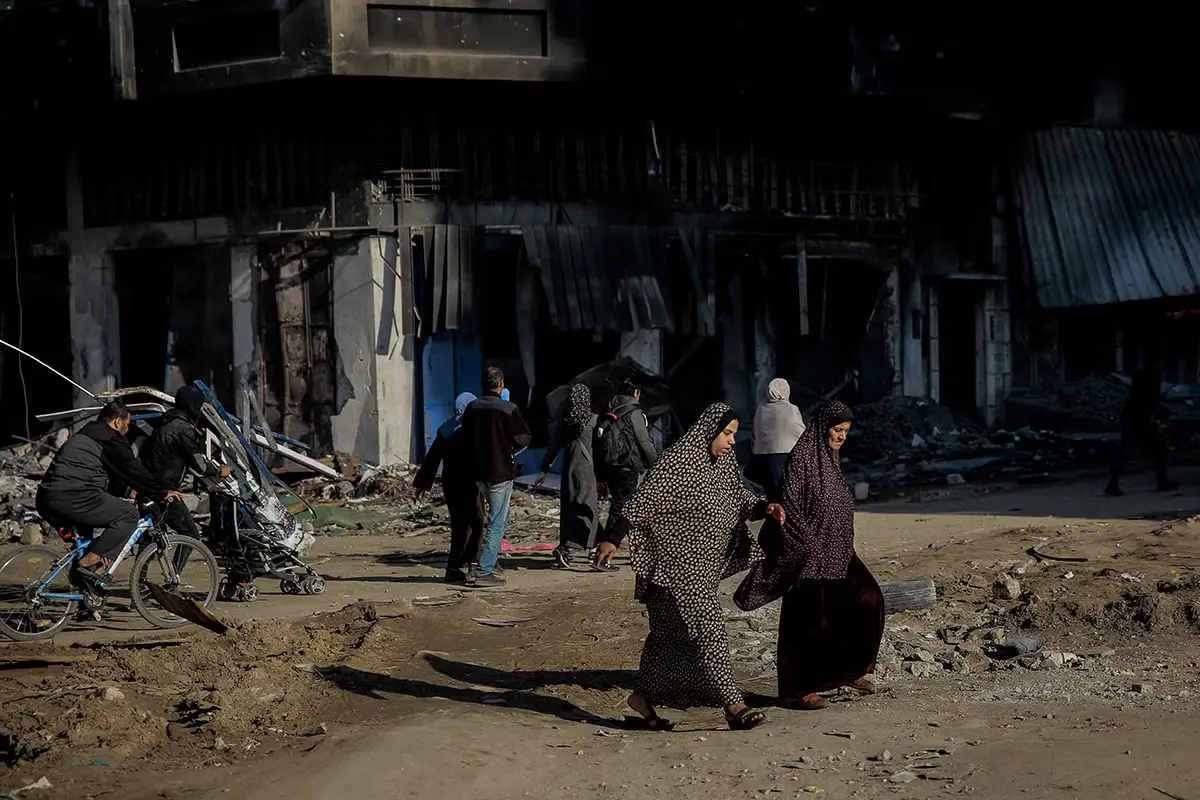
For more than a year, over 2.3 million people have been living under siege — trapped between bombings from the sky and closed borders on the ground. In Gaza, people fast not only because it’s Arafah — they fast because there is no food.
Testimony from Mohammed Al-Derawi (22 years old):
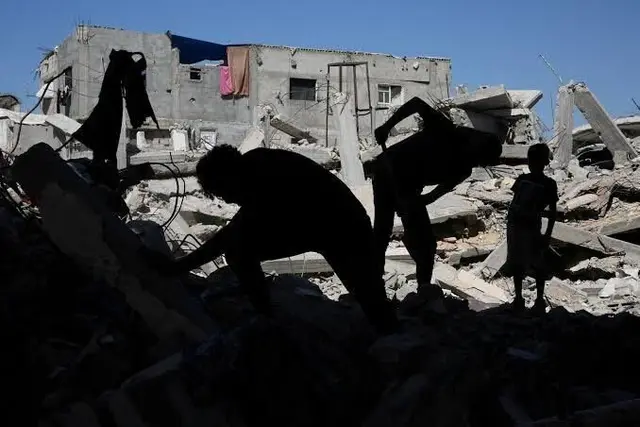
“I’m not fasting because it’s Arafah. I’ve been fasting for months. The last full meal I had was before the war. Now I break my fast with tea — without sugar — or a date, or sometimes nothing at all. At night, I sleep on sand. My mother wraps me in her coat because we have no blankets.” Mohammed, once a university student, now lives in a makeshift tent among the ruins of his neighborhood in Shuja’iyya. His father is missing, and his mother is sick with high blood pressure. “Hospitals are destroyed or have nothing left. Even clean water is rare, it’s often salty or dirty.”
Deliberate Hunger, Dirty Water
According to the World Health Organization and the World Food Programme (WFP), 4 out of 5 children in Gaza now suffer from severe malnutrition. Most people are forced to drink water that is unsafe. The elderly suffer from dehydration and kidney problems. Many are getting sick from drinking well water that is salty or contaminated.
No Medicine, No Shelter, No SleepHundreds of thousands are sleeping outdoors or in broken tents. There are no pillows, no beds, no toilets. Sick people die in silence. Pregnant women give birth without painkillers. Babies cry for food that doesn’t exist.
“My baby sister is one year old. She only drinks boiled water now — just so she doesn’t die of thirst,” says Mohammed. “We tell each other: hold on, maybe we’ll survive until iftar. But when sunset comes, there’s often nothing to eat.”
We Fast Because We Have Nothing Else
In other countries, Arafah ends with prayer, peace, and food. In Gaza, it ends with fear: will the drones come back after sunset? Will the tent be bombed? Will we live to pray the Eid prayer?
Still, hands in Gaza rise to the sky — not only asking for food, but for mercy, justice, and survival. “We only want to fast like people in Mecca and Medina,” Mohammed says. “With safety. With bread. With shade. With a meal that fills us.”
“And we know — even if the whole world is silent — Allah hears us.”
On the Day of Arafah, while Muslims around the world raise their hands in prayer, Gaza raises its hands from beneath the rubble, from under tents, amid hunger and destruction, not only asking for closeness to God, but begging for dignity, mercy, and the lifting of this suffering. In Gaza, fasting is no longer just a spiritual act. it has become a daily testimony of endurance. A people stripped of the basics of life still cling to faith, to dignity, and to the belief that the dawn of justice will come, no matter how long the night may be.
Alaa Alburai, Kufi Productions