Introduction
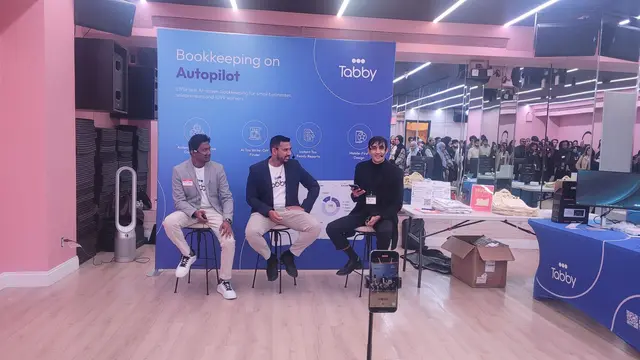
In this episode of the Treaded Path podcast, host Salman Hasan speaks with Javaid Ikram, an engineering leader and entrepreneur in the AI and healthcare space. Javaid shares his inspiring journey from a young boy in Pakistan with a dream to help his father, to becoming a leader in AI technology aimed at improving patient care. The conversation delves into the importance of faith in guiding career decisions, the challenges of navigating corporate environments, and the ethical implications of AI in healthcare. Javed emphasizes the need for Muslim professionals to advocate for accountability and ethical practices in their industries while also encouraging young professionals to pursue their passions and build impactful solutions. The episode concludes with Javaid’s vision for the future of healthcare and his commitment to helping practices optimize their operations for better patient care. (View the full interview on YouTube).
Personal Journey
- Early influences and education: Motivated by his father’s injury, Javaid dreamed of building an exoskeleton as a child. He studied mechatronics (robotics) in Pakistan and later earned a master’s in physics and optical science in the U.S. He holds a PhD in electrical engineering with a focus on unsupervised machine learning.
- Role of Islamic faith in career choices: Javaid believes in starting with a faith-centric mindset, trusting that Allah connects the dots forward (nasib). He emphasizes intention (niyyah), hard work, and leaving results to Allah, referencing The Baraka Effect to contrast hustle culture with baraka (blessing)-based success.
- Challenges faced as a Muslim professional: He acknowledges challenges in expressing views on geopolitical issues (e.g., Gaza) within corporate settings but highlights that companies like Intel and Medtronic have supportive ERGs and accommodations (e.g., musallas, wudu areas).
- Key turning points and decisions: Moving from Intel to Medtronic to align with his passion for helping people through healthcare. Leaving corporate to start his own AI healthcare company, focusing on patient-centric, ethical AI.
Industry Deep Dive
- Current role and responsibilities: Javaid builds custom AI agents for private healthcare practices to streamline administrative tasks, improve patient care, and ensure HIPAA compliance.
- Corporate ethics discussion: He advocates for courage and agency within corporations, urging professionals to speak up ethically and tie concerns to company policies on diversity and inclusion.
- Specific cases of corporate misconduct in their field: Notes one-sided corporate narratives on geopolitical issues and the importance of not staying complicit. He avoids defense contractors like Raytheon on ethical grounds.
- How Muslim professionals can navigate ethical dilemmas: Use structured, professional communication; form alliances with like-minded colleagues; if unheard, consider leaving. Focus on expanding your circle of control through ethical work.
Resources and Advice Segment
- Essential resources for aspiring professionals: Start by building immediately—create MVPs, seek feedback. Master fundamentals (e.g., Python). For healthcare, start with HIPAA compliance and cloud platforms (AWS, Google Cloud). Read HHS guidelines.
- Mentorship opportunities: Engage with groups like Open Silicon Valley, PacLaunch, Manara, and Muslim business conferences (e.g., Harvard Muslims in Business Conference).
- Organizations supporting Muslim professionals: Mentions Muslim employee resource groups at Intel and Medtronic, and networks like LaunchGood’s initiative for a Muslim LLM.
- Practical advice for industry newcomers: Don’t chase the highest paycheck; align with your moral compass. Begin with the end in mind—visualize your 80th birthday and craft a personal mission statement. Practice continuous, applied learning.
Accountability Focus
- Discussion of specific corporations with problematic records: Cites defense contractors like Raytheon as ethically problematic. Encourages scrutiny of tech stacks and company affiliations.
- Analysis of human rights violations or war crimes connections: Notes corporate complicity in human rights issues but focuses on growing ethical alternatives within Muslim-led tech.
- Ways to advocate for corporate accountability: Leverage ERGs, file formal complaints, organize listening sessions, and align advocacy with corporate social responsibility policies.
- Alternative ethical options within the industry: Pursue healthcare, education, or patient-centric tech. Support Muslim-led initiatives like ethical AI models and LLMs. Collaborate with interfaith and secular ethical organizations.
Closing Reflections
- Final advice from guest: Prioritize health—your body is an amanah (trust). Focus on good deeds, family, and ethical legacy over financial metrics. “Build what makes you uniquely you.”
- Contact Information to reach guest speaker: Javaid invites healthcare practice owners to reach out for a free consultation to optimize their operations. (Contact details not explicitly stated but implied via his professional networks.)
- Call to action for listeners: Attend the Kufi Productions event in Phoenix (Feb 6-7). Connect with Muslim professional networks. Start building solutions now and collaborate for greater impact.